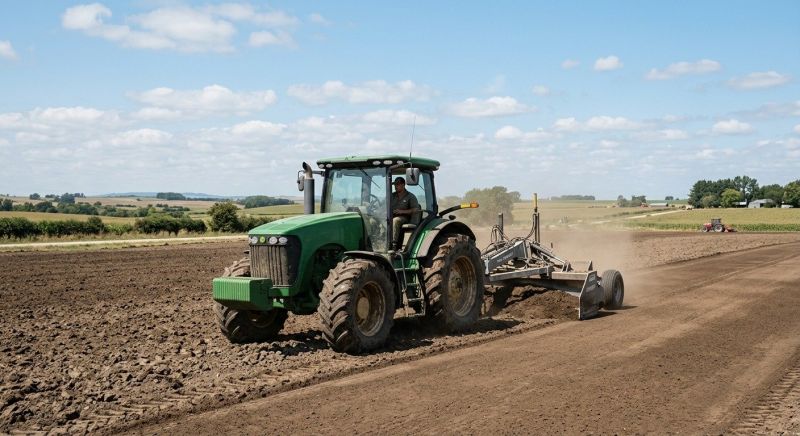
Lawn Leveling in Atlanta, GA
Lawn leveling services involve adjusting the surface of a yard to create a smooth, even terrain. This process is often used for projects such as correcting uneven patches, preparing a lawn for new landscaping, or addressing issues caused by soil erosion or settling. Property owners typically request lawn leveling to improve the appearance of their yard, prevent water pooling, and promote healthier grass growth. Understanding the extent of the unevenness and the underlying causes can help determine the most effective approach for achieving a level surface.
Before requesting lawn leveling, property owners should consider the size of the area needing work, the severity of the unevenness, and any existing drainage concerns. It is also helpful to know the type of soil and grass, as these factors can influence the methods used for leveling. Clear communication about the desired outcome and any specific issues, such as drainage problems or soil instability, can assist in planning the appropriate services to ensure a safe and stable lawn.
Many property owners in Atlanta, GA look into Lawn Leveling for repairs, replacements, upgrades, and appearance-related improvements.
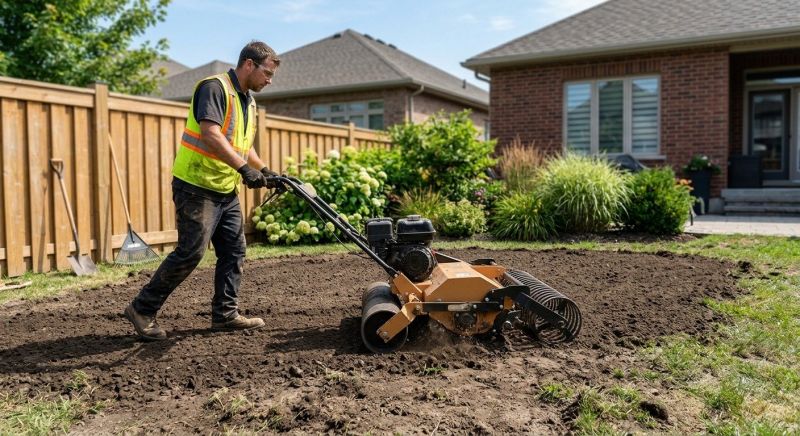
Benefits Of Lawn Leveling
Proper leveling creates a safe, even surface for outdoor activities and enhances curb appeal.
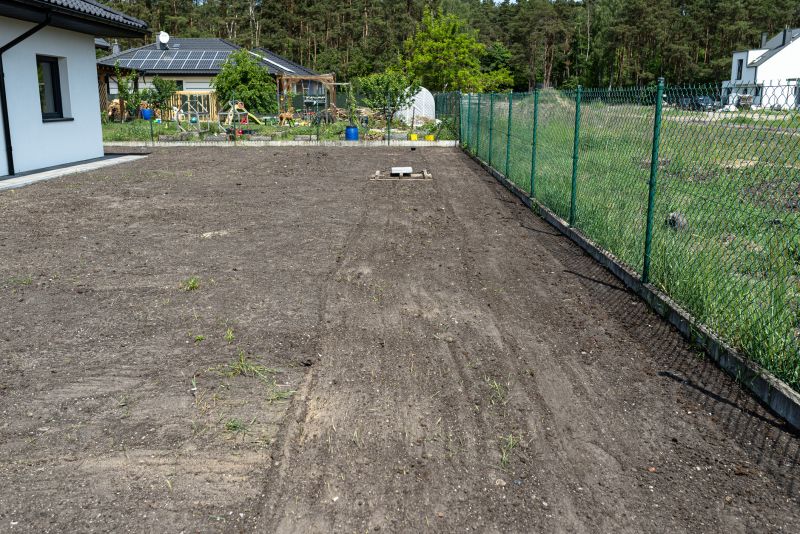
Common Lawn Issues Addressed
Lawn leveling helps fix uneven patches, settling spots, and drainage problems on residential properties around atlanta.
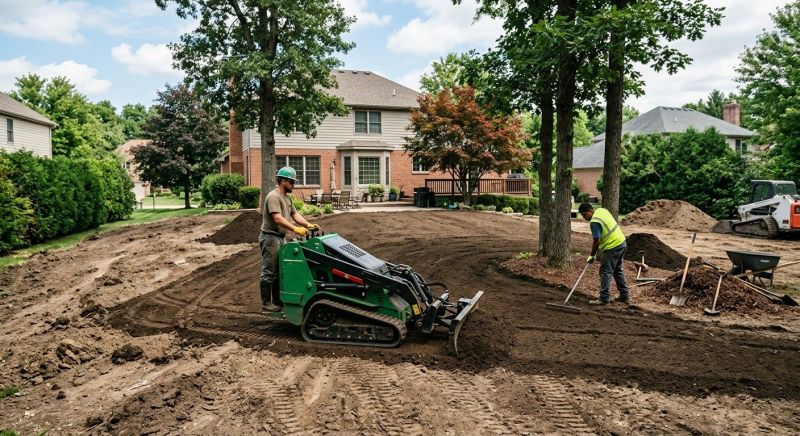
Maintenance And Prevention
Regular lawn leveling can prevent future unevenness and promote healthy, lush grass growth.
Lawn Leveling in Atlanta, GA
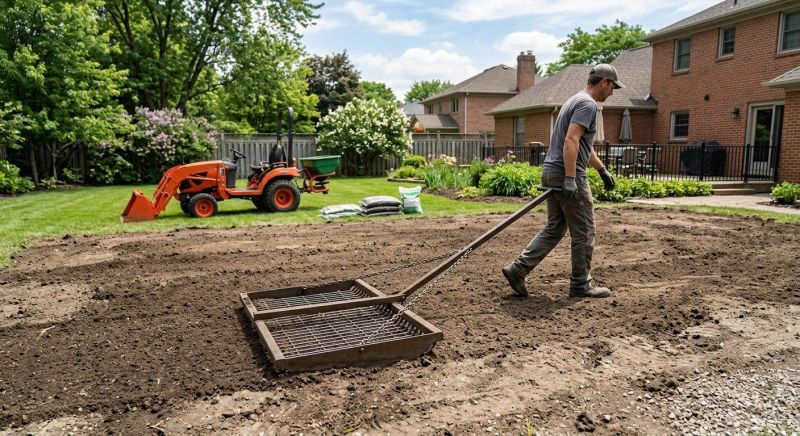
Lawn leveling services involve adjusting the surface of a yard to create a smooth, even terrain. This process is often used for projects such as correcting uneven patches, preparing a lawn for new landscaping, or addressing issues caused by soil erosion or settling. Property owners typically request lawn leveling to improve the appearance of their yard, prevent water pooling, and promote healthier grass growth. Understanding the extent of the unevenness and the underlying causes can help determine the most effective approach for achieving a level surface.
Before requesting lawn leveling, property owners should consider the size of the area needing work, the severity of the unevenness, and any existing drainage concerns. It is also helpful to know the type of soil and grass, as these factors can influence the methods used for leveling. Clear communication about the desired outcome and any specific issues, such as drainage problems or soil instability, can assist in planning the appropriate services to ensure a safe and stable lawn.
Many property owners in Atlanta, GA look into Lawn Leveling for repairs, replacements, upgrades, and appearance-related improvements.
Common Lawn Leveling Jobs
Residential lawn leveling - smoothing uneven areas for a safer, more attractive yard.
Commercial property leveling - creating stable, even surfaces for parking lots and outdoor spaces.
Yard grading services - improving drainage and preventing water pooling on lawns.
Uneven ground correction - addressing slopes and dips to enhance landscape usability.
Soil leveling for landscaping - preparing the ground for planting and turf installation.
Flood prevention grading - modifying terrain to direct water flow away from foundations and structures.
Lawn Leveling Questions
What is lawn leveling? Lawn leveling is the process of smoothing out uneven areas in a yard to create a more even surface for grass and landscaping.
When should lawn leveling be considered? It is typically needed when there are dips, mounds, or erosion spots that affect the appearance or drainage of the lawn.
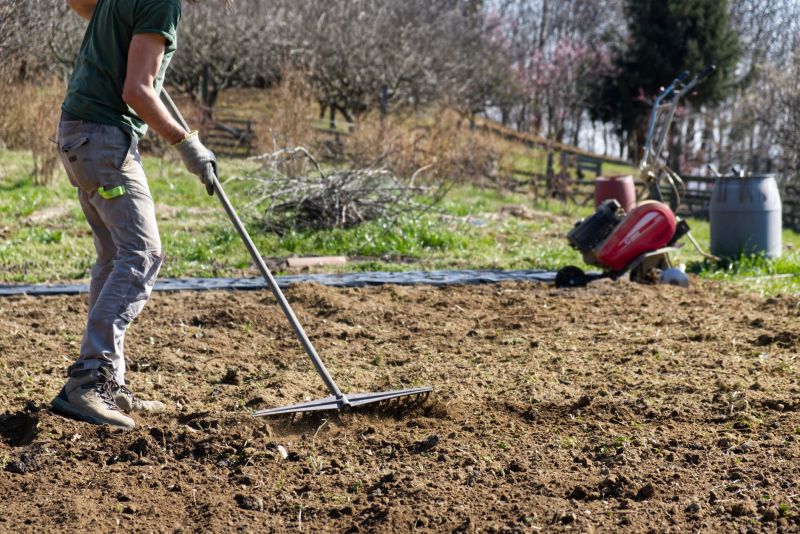
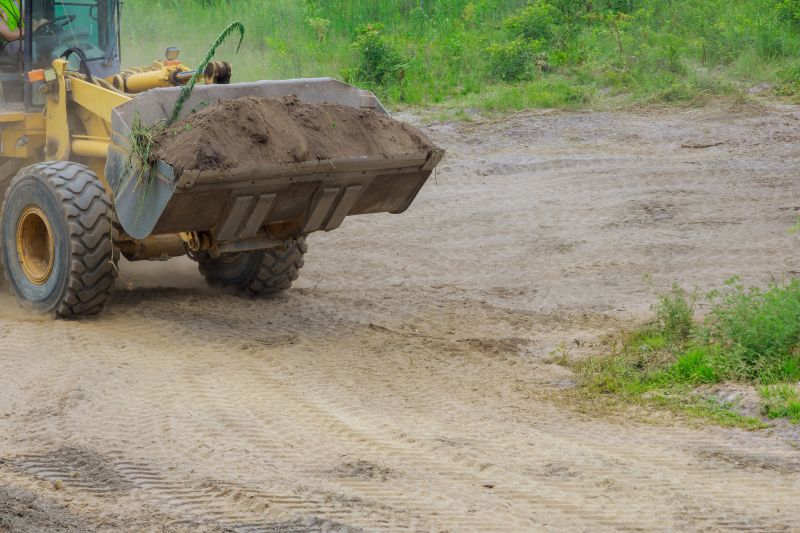
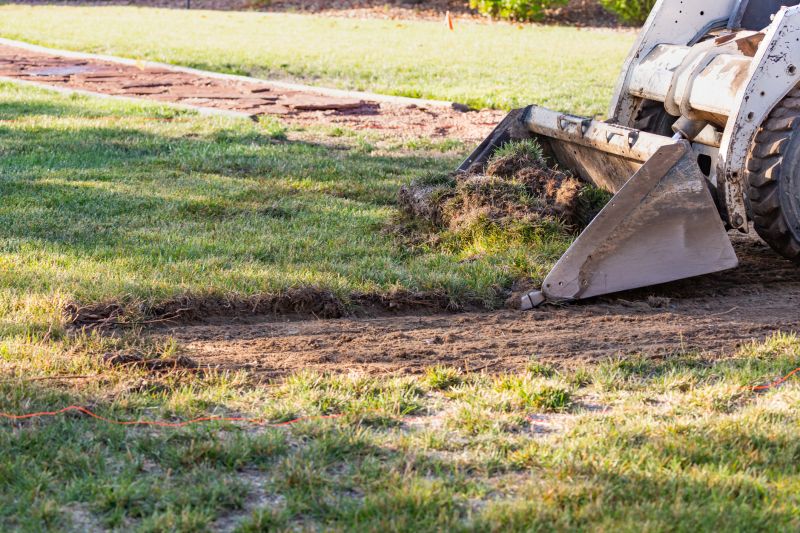
What methods are used for lawn leveling? Common methods include grading the soil, adding topsoil, and re-seeding or sodding to establish a flat, healthy lawn surface.
Will lawn leveling improve drainage? Yes, properly performed leveling can help prevent water pooling and improve overall drainage in the yard.
Request Lawn Leveling in Atlanta, GA
Use the quote form on this page to share the basics of your project and request more information for the type of work you need.